Views: 0 Author: Site Editor Publish Time: 2026-11-15 Origin: Site


Have you ever noticed how quickly a premium bar of soap turns into mush? The hidden cost of poorly designed shower hardware goes far beyond aesthetics. It leads to accelerated bar degradation, stubborn soap scum accumulation, and substrate damage from failed adhesives. You end up replacing expensive soap and scrubbing tile surfaces far more often than necessary.
Modern bathroom design has shifted away from passive cosmetic trays. Today, we rely on functional moisture-control fixtures. These modern solutions actively drain water and protect shower surfaces. Without proper drainage and secure mounting, you risk constant cleaning and potential wall repairs.
This guide provides an engineering- and maintenance-focused evaluation framework. You will learn how to select the ideal Shower Soap Dish for both residential and commercial bathrooms. We cover everything from drainage geometries to wall-mounting options and substrate compatibility.
Effective moisture control depends on directional self-draining geometry rather than simple flat slotted bases.
Mounting choice is strictly dictated by wall substrate: mechanical fasteners suit permanent high-traffic installations, while high-tack structural adhesives solve non-invasive rental or glass-enclosure needs.
Material durability in high-humidity zones requires marine-grade stainless steel (304/316) or brass; frosted tempered glass provides modern aesthetics but introduces specific cleaning demands.
Recessed niches protect waterproofing membranes only when built during tile installation, whereas surface-mounted options provide reliable, low-risk retrofitting.
Many homeowners struggle with flat-bottomed slotted dishes. These traditional designs suffer from a severe limitation. Capillary action causes water to pool beneath the bar. The water clings to the narrow slots, refusing to drop away. This keeps the underside of the soap constantly wet.
Active drainage systems solve this problem through directional pitch. A well-designed tray incorporates angled sloped channels. Engineers recommend a minimum 3 to 5-degree slope. This angle directs runoff straight into the shower drain. It prevents water from stagnating around the soap base.
To further reduce moisture, look for raised contact points. Manufacturers use specific geometries to elevate the bar:
V-shaped ridges: These minimize the physical contact area.
Vertical tines: Similar to a bed of nails, they lift the soap entirely.
Stepped ribs: These create distinct channels for water to escape quickly.
These features minimize soap-to-surface tension. They allow water to break away and fall efficiently.
Soap longevity relies heavily on 360-degree ambient ventilation. Without moving air, cold-process and glycerin bars liquefy rapidly. Glycerin acts as a humectant. It naturally draws moisture from the humid shower air. You must provide adequate ventilation to keep the bar hard.
Open-wire cradle designs excel at airflow efficiency. They expose almost the entire surface of the soap to the air. However, they struggle with dropped residue containment. Small shards of soap often fall through the wires onto the shower floor. Solid slotted trays contain these remnants better. Yet, they restrict airflow and increase drying time.
Cleaning frequency dictates long-term satisfaction. Removable insert systems offer an excellent balance. They separate the drip tray from the main mounting body. You simply lift the tray out and wash it in the sink. One-piece bodies require scrubbing inside the shower enclosure. This often proves awkward and time-consuming.
Persistent high-humidity zones encourage bacterial biofilm and mildew. Stagnant soapy water creates an ideal breeding ground for pink mold (Serratia marcescens). Active drainage directly prevents these biofilms from taking hold.
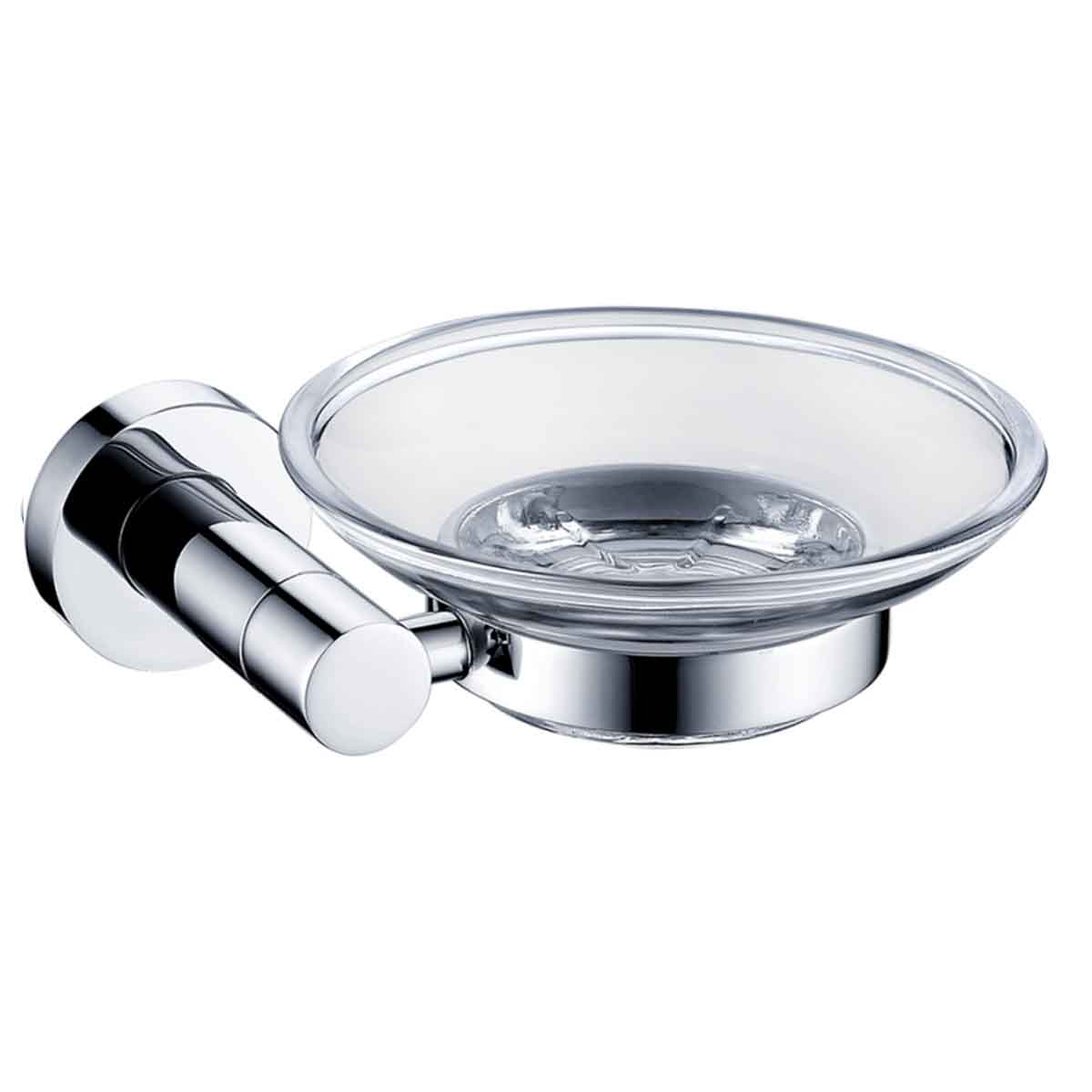
A reliable Wall-Mounted Soap Dish requires serious anchoring. Mechanical fasteners provide unmatched load-bearing performance. They easily handle incidental downward force. People often grab fixtures accidentally when they slip. A drilled anchor prevents the unit from tearing off the wall.
However, drilling introduces severe installation risks. You risk cracking the tile if you use the wrong bit. You also risk penetrating the vital waterproofing membrane behind the wall. Installers must seal all drill holes generously using premium silicone.
Mechanical fasteners demand specific substrate prerequisites. They require ceramic, porcelain, or stone tile. Furthermore, the tile must sit over cement board or solid wood blocking. Drywall cannot support the torque.
Many modern installations rely on structural chemical adhesives. Polymer-based high-bond strips offer clean, instant adhesion. Alternatively, hybrid polyurethane adhesives provide a waterproof, curing bond. These adhesives distribute the shear load across a wider surface area.
You must respect shear load limits. Continuous exposure to hot-water vapor degrades lesser adhesives over time. Substrate compatibility remains critical here. Adhesives demand zero-tolerance for grout lines. They will fail if placed over porous limestone or textured slate. They require ultra-smooth, clean surfaces to achieve molecular grip.
Vacuum suction offers the ultimate renter-friendly solution. However, you must understand the physics of suction failure. Temperature fluctuations cause the trapped air to expand and contract. Micro-fissures in glazed tile break the vacuum seal invisibly. Thermal contraction eventually leads to catastrophic drops.
We restrict the usability envelope for suction mounts. Reserve them for temporary use cases. They work best on completely smooth glass shower screens. You should only use them to hold lightweight acrylic bars or sponges.
Bathroom hardware faces a brutal environment. You need marine-grade metallurgy to survive. AISI 304 and 316 stainless steel offer exceptional resilience. Type 316 includes molybdenum. This addition provides superior resistance to chlorides, harsh body washes, and hard water minerals. Opting for a Metal Shower Soap Holder made of 316 stainless guarantees long-term survival.
Solid brass represents another premium option. Manufacturers treat brass using electroplated finishes like matte black or chrome. Physical Vapor Deposition (PVD) brushed nickel offers extreme scratch resistance. Avoid cheap zinc die-cast alloys. They look identical on the shelf but fail rapidly in showers.
Common failure modes for cheap metals include pitting corrosion. Seam weld failures occur when trapped water rusts the joints from the inside out. Peeling chrome coatings expose the vulnerable metal underneath, leading to green oxidation.
Material Comparison Chart
Material Type | Corrosion Resistance | Impact Durability | Maintenance Level |
|---|---|---|---|
316 Stainless Steel | Excellent | High | Low |
Solid Forged Brass | Excellent | High | Medium (Requires gentle cleaners) |
Tempered Glass | Immune | Medium (Shatter risk) | High (Water spots visible) |
ABS Plastic | Immune | Low (Prone to scratching) | Low |
A frosted Glass Soap Dish provides a sleek, modern aesthetic. However, wet zones demand strict safety glass standards. Manufacturers must use tempered safety glass. Tempering provides essential thermal resistance against hot water shocks. It also ensures the glass crumbles into dull cubes instead of lethal shards if broken.
You must weigh aesthetic pros against functional cons. Glass offers a premium, floating appearance. Unfortunately, it highlights hard-water calcification instantly. Every dried water drop leaves a visible white ring.
Shatter hazards remain a reality. Suspended glass trays require specific mounting mechanics. They must feature cushioned rubber gaskets inside their metal retaining rings. These gaskets absorb micro-impacts when you drop a heavy bar of soap onto the dish.
High-impact ABS and solid resin composites offer incredible chemical inertia. They withstand harsh bathroom cleansers effortlessly. They never rust, corrode, or shatter. However, plastics have their own vulnerabilities. UV stability remains a concern. Plastics face severe yellowing risks in bathrooms receiving direct sunlight from exterior windows.
Recessed designs offer a seamless architectural look. They require specific structural conditions. Installers need adequate rough-in depth within the stud walls. Standard framing typically provides 3.5 inches of usable depth. You cannot install a recessed niche on a shallow furring wall.
Waterproofing continuity dictates the success of a niche. Installers must integrate flange seals flawlessly. They use liquid-applied membranes or sheet membranes like Schluter-KERDI. A single pinhole leak in a recessed corner will rot the framing below.
Slope-to-drain installation standards are mandatory. The bottom shelf of any recessed pocket must tilt slightly forward. This prevents standing water from pooling in the back corners. Stagnant water degrades the grout and breeds severe mildew.
Surface-mounted installations remove the risk of penetrating the wall cavity. They optimize space utilization in compact stalls. Corner-mounted triangular units reclaim dead space efficiently. Flat-wall placements work better in sprawling walk-in enclosures.
Clearance guidelines ensure safe daily use. Follow these ergonomic best practices:
Install the unit roughly 48 to 54 inches from the shower pan.
Keep the dish out of the direct spray cone to prevent premature soap melting.
Position it slightly off-center from where you stand to prevent elbow collisions.
Ensure it sits high enough to keep toddlers from pulling on the fixture.
Selecting the right fixture requires matching the hardware to the environment. High-traffic family bathrooms demand rugged durability. You should choose mechanical mounting and solid metal wire construction. Avoid glass components entirely to eliminate shatter risks for children.
Renter-friendly setups require a different approach. You cannot drill into the landlord's tile. Use high-strength removable adhesive brackets. These work perfectly on glossy porcelain. They hold tight but remove cleanly with a heat gun upon move-out.
Master bath aesthetics often prioritize luxury. You might prefer a floating frosted glass tray. Alternatively, you could commission an integrated recessed stone shelf. These options elevate the visual appeal of a high-end shower.
Scenario Decision Framework
Environment | Recommended Mounting | Recommended Material | Key Priority |
|---|---|---|---|
Family Shower | Drilled Anchor | 304/316 Stainless Steel | Safety & Impact Resistance |
Rental Apartment | Hybrid Adhesive | Engineered Resin / ABS | Damage-Free Removal |
Luxury Master Bath | Recessed Niche | Solid Brass / Tempered Glass | Aesthetic Integration |
Always assess your local water quality. Hard water contains high levels of calcium and magnesium. You must calculate the maintenance overhead before buying. Open-wire chrome fixtures show limescale buildup rapidly. Every drop of hard water leaves a white crust on shiny chrome. Brushed, matte, or dark finishes hide this scale much better.
Consider the type of soap you use. Natural artisan soaps feature high fat and glycerin content. They turn soft quickly and require aggressive, wide-slotted drainage. Standard commercial tallow-based bars stay rigid longer. They perform fine on standard sloped trays with minimal grooves.
Choosing the right shower hardware significantly improves your daily routine. Prioritize active drainage geometry over flat, passive styling. Ensure strict alignment between your chosen mounting mechanics and your specific tile substrate. Always demand certified rust-resistant materials like 316 stainless steel or solid forged brass.
Follow these actionable next steps for a flawless installation:
Measure your shower spray perimeter to find a dry mounting zone.
Confirm your tile substrate density before attempting to drill any holes.
Verify the manufacturer's fixture load ratings if you plan to use adhesive mounts.
Select a finish that matches your existing plumbing trims while accommodating your local hard water levels.
A: Always specify marine-grade 304 or 316 stainless steel, or choose solid forged brass. Implement strict cleaning protocols. Avoid harsh bleach or muriatic acid cleaners, as they strip the protective chromium oxide layer. Check that your fixture features a protective PVD coating for maximum longevity.
A: Generally, no. Textured surfaces create micro-voids that cause total suction and adhesive loss. Standard adhesive strips cannot bridge these gaps. You must use mechanical fastening or highly specialized, thick silicone-cured brackets specifically engineered to fill the texture profile.
A: Yes, they are highly sanitary. Active drainage provides precise water runoff paths. This prevents stagnant reservoirs where bacteria and mildew thrive. Ensure proper positioning to prevent the resulting soap residue from dripping directly onto chrome valve trims or shower benches below.
A: Retrofitting a recessed dish is highly risky. Cutting into existing tile usually destroys the continuous moisture barrier behind the wall. This leads to catastrophic water leaks. We strongly recommend surface-mounted units for finished walls to maintain waterproofing integrity.