Views: 0 Author: Site Editor Publish Time: 2026-07-05 Origin: Site


Selecting a top mount basin faucet requires far more than aesthetic alignment. It demands precise technical compatibility between your chosen hardware, the vanity deck, and the sink basin itself. Mismatched fixtures frequently introduce severe operational risks into your bathroom design. You might experience excessive splashing, structural strain on the deck, or even premature valve failure due to improper weight distribution. Water damage often follows these preventable installation errors.
This guide serves as an objective, specification-driven framework. We designed it to help you evaluate, shortlist, and install vanity fixtures effectively. You will learn how to align physical constraints with material durability. We cover configuration matching, clearance calibration, and supplier vetting strategies in detail. By following these guidelines, you can navigate complex technical specifications and ensure long-lasting performance across diverse residential and commercial environments.
Configuration Alignment: Faucet choice must strictly align with pre-drilled vanity hole spreads (single-hole, 4-inch, or 8-inch) and deck thickness limitations.
Material Integrity: Solid brass construction significantly outlasts zinc-alloy alternatives, particularly in high-traffic or commercial settings.
Clearance Calibration: Spout reach and height must be calculated against basin depth and drain placement to mitigate splashing and ensure user comfort.
Supplier Vetting: Successful commercial and hospitality deployments rely on strict ADA compliance, warranty terms, and parts availability from the supplier.
Installing an incompatible fixture initiates a cascade of costly problems. Contractors often face forced structural modifications, such as drilling new holes into expensive quartz countertops. This practice frequently voids vanity warranties and risks catastrophic cracking in the stone. Even if you manage to secure the fixture, compromised water delivery often results from internal valves facing unnatural angles.
Before making a selection, we must clearly define the mounting style. A deck mounted basin faucet anchors directly onto the horizontal surface of a vanity top or sink ledge. This configuration differs fundamentally from wall-mounted alternatives. Wall installations require opening drywall, routing plumbing through vertical studs, and precise rough-in valve placements. Deck mounts keep plumbing accessible inside the cabinet beneath, offering easier maintenance access.
Success begins with strict configuration matching. You must align your hardware choices with the pre-drilled holes on your countertop.
Single-Hole: Best for modern, minimalist vanities. It uses a single core drilling point to house both the water lines and the mounting shank. You can easily retrofit these units onto a traditional three-hole vanity. Doing so requires a deck plate, known as an escutcheon, to safely conceal the unused outer gaps.
Centerset (4-inch): Compact all-in-one units ideal for smaller bathrooms. The spout and handles combine onto a single unified baseplate. They require three holes drilled exactly four inches apart from the outer centers. These provide excellent stability for frequent daily use.
Widespread (8-inch to 16-inch): These deliver a premium, customized feel. They feature independent hot valves, cold valves, and a central spout. Installation demands precise tripartite drilling. The spread offers aesthetic flexibility but requires careful measurement to ensure the connecting hoses beneath reach all three components.
Common Mistake: Many installers assume all single-hole fixtures include a deck plate in the box. Always verify the package contents. Attempting a retrofit without a correctly sized escutcheon leaves exposed holes vulnerable to water intrusion and mold growth.
Marketing brochures often flood the market with unverified durability claims. You must look past exterior finishes and evaluate the core material science. Focus on the trust reality of metallurgy. A solid brass basin mixer typically delivers a remarkable operational lifespan, easily exceeding a decade. Brass resists internal corrosion caused by hard water minerals naturally.
Conversely, cheaper zinc-alloy models might look identical on the showroom floor but degrade rapidly inside. Zinc housings often pit and crack under constant hydrostatic pressure. While initial acquisition might appear favorable, the inevitable replacement labor negates any early savings.
Valve technology dictates daily reliability. Internal cartridges manage the actual water flow and temperature mixing. Ceramic disc cartridges remain the non-negotiable industry standard for modern fixtures. They utilize two highly polished, fired ceramic plates sliding against each other. This mechanism creates a watertight seal without compressing rubber. Older rubber washer designs flatten and wear out over time, causing inevitable drips and handle stiffness. Ceramic discs operate smoothly and ignore particulate debris found in municipal water supplies.
You must also evaluate flow rate and sustainability. Aerators control the water output volume at the spout tip. Evaluate these components based on local plumbing codes and sustainability goals. WaterSense certified fixtures restrict flow to 1.2 GPM (gallons per minute) without sacrificing perceived pressure. Advanced aerators inject air directly into the water stream. This creates a voluminous, soft feel while actively conserving resources.
Technical Comparison Matrix:
Evaluation Dimension | Standard Quality Construction | Premium Standard (Recommended) |
|---|---|---|
Body Material | Zinc-alloy housing | Solid Brass construction |
Valve Technology | Compression Rubber Washers | Ceramic Disc Cartridges |
Flow Rate Compliance | 2.2 GPM (Legacy Standard) | 1.2 GPM (WaterSense Certified) |
Corrosion Resistance | Low (Prone to internal pitting) | High (Resists hard water scaling) |
Exact measurements prevent daily user frustrations. Before you finalize the purchase of any bathroom vanity faucet, you must map out the clearance and ergonomics of your specific sink bowl.
Spout reach defines the horizontal distance from the base of the spout to the actual water outlet. The water stream must align directly over the sink drain or slightly behind it. This precise alignment minimizes splash-back. If the reach falls short, water hits the flat basin slope, pooling around the deck. If the reach extends too far, users cramp their hands against the front rim of the sink.
Spout height measures the vertical distance from the deck surface to the spout outlet. You need adequate clearance to allow comfortable hand-washing without touching the metal. However, excessive height increases water drop velocity. High velocity creates a messy splash radius when the stream impacts the basin floor, especially in shallow sinks.
Pay strict attention to deck thickness limits. Many buyers make a critical error here. They purchase fixtures equipped with standard mounting shanks, only to discover their extra-thick natural stone vanity tops exceed the hardware's capacity. Standard shanks generally accommodate up to 1.5 inches of thickness. Custom marble or concrete tops frequently exceed 2 inches. You will need specialized shank extensions if you ignore this metric, causing frustrating project delays.
Finally, respect the under-sink constraints. The space beneath your counter hides numerous obstacles. P-traps often sit directly in the path of mechanical drain rods. Supply line lengths vary drastically between manufacturers. Standard braided hoses might not reach low-set angle stop valves near the floor. Measure the distance from the intended fixture tailpiece down to the wall stops before starting the physical installation.
Best Practice: Always dry-fit the hardware before applying silicone sealants. Place the unit into the deck holes, attach the handles, and test their full rotational sweep. Ensure lever handles do not strike the backsplash when pushed to the full hot or cold positions.
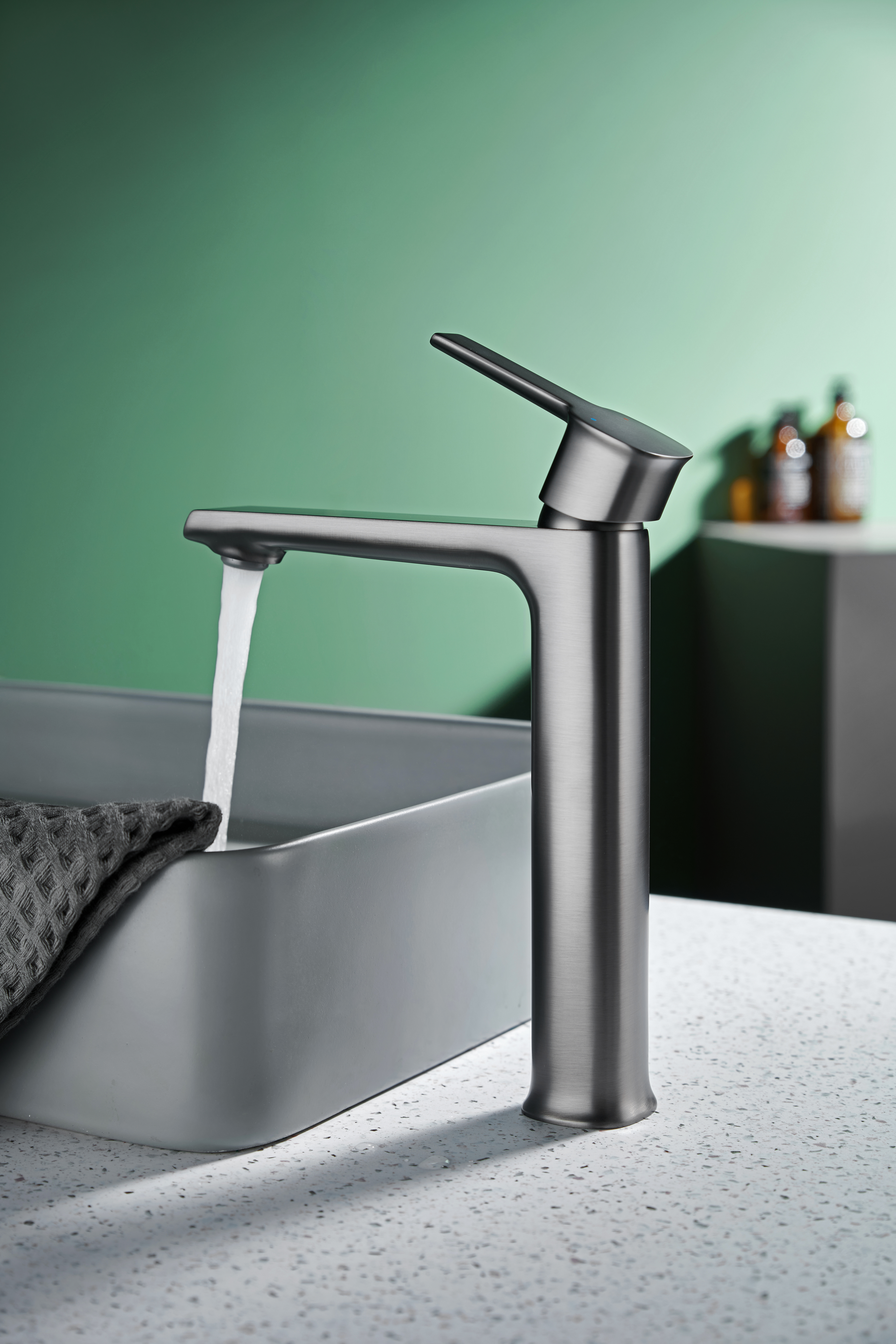
High-traffic environments demand rigorous hardware specifications. Designing for hospitality or public facilities introduces completely different operational stresses compared to residential builds. A durable hotel basin tap must withstand daily abuse, harsh chemical cleaners, and continuous cyclical usage.
Commercial demands require specific modifications. Vandal-resistant aerators serve as a primary defense. These require specialized proprietary keys for removal, preventing opportunistic theft and tampering. Furthermore, handles must adhere strictly to ADA (Americans with Disabilities Act) compliance guidelines. This mandate dictates that lever handles must operate smoothly using less than 5 pounds of applied force. They cannot require tight grasping, pinching, or twisting of the wrist.
Surface finish durability also matters immensely in hospitality settings. Heavy-duty PVD (Physical Vapor Deposition) applied finishes, such as brushed nickel or matte black, resist abrasive cleaning agents far better than standard electroplated chrome. PVD bonds the finish at a molecular level, preventing flaking and tarnishing.
Evaluating a reliable bathroom faucet supplier requires rigorous vetting and foresight. You are not just buying metal; you are securing an ongoing maintenance partnership.
Use strict criteria when interviewing manufacturing partners. Do they offer standardized replacement cartridges? Proprietary, uniquely shaped cartridges often lead to maintenance nightmares when lines get discontinued. Ask about their inventory depth and lead times for bulk orders. Delays in fixture delivery can stall an entire wing of a construction project.
Conduct a thorough risk assessment on their post-sale support. A supplier's written warranty is only as reliable as their documented track record. Are they known for stocking exact replacement parts 5 to 7 years post-installation? Facilities management teams cannot justify replacing entire fixtures simply because a minor internal O-ring fails. Choose partners who prioritize long-term parts availability, modular designs, and responsive technical support over minor upfront unit discounts.
Navigating the sheer volume of available hardware requires a systematic approach. Follow this structured logic to narrow down your options efficiently.
Step 1: Audit the Vanity Specifications. Begin by measuring your physical space thoroughly. Record the exact dimensions and spacing of your pre-drilled deck holes. Note the total sink depth from the rim to the drain. Measure the precise distance from the mounting hole center to the back wall or backsplash. This critical measurement prevents lever handles from scraping the wall during operation.
Step 2: Define the Traffic Tier. Choose your material grade based on expected daily usage volume. A residential guest bath experiences light traffic and might tolerate standard materials. However, a high-volume public restroom or busy family master bath strictly requires solid brass construction, ceramic discs, and heavy-duty finishes.
Step 3: Review Technical Spec Sheets. Never base your final purchase solely on a styled promotional photograph. Always locate, download, and verify the manufacturer's technical installation manual. Check the minimum clearance requirements explicitly. Confirm the required water pressure ranges needed to operate the internal ceramic cartridges smoothly without stuttering.
Next Steps: We strongly advise you to finalize your vanity top and sink bowl selection completely before purchasing the fixture. Establishing the exact basin depth, drain position, and deck thickness guarantees dimensional harmony. This sequenced workflow prevents last-minute scrambles for adapter plates, extended hoses, or mismatched drain assemblies.
A successful installation relies entirely on matching physical spatial constraints with robust material durability. Form must always follow precise mechanical function when dealing with plumbing fixtures. You protect your property from water damage and daily usability frustrations by prioritizing configuration alignment, brass construction, and proper clearance calibration.
Start your project correctly by gathering your exact technical specification sheets. Measure your vanity decks carefully before browsing hardware catalogs. Focus on ceramic valve technology to ensure a drip-free lifespan. If you manage a large-scale deployment or hospitality project, contact a specialized manufacturing supplier directly to discuss commercial quotes, ADA compliance, and long-term parts availability. Secure your core measurements today to build a resilient, leak-free environment.
A: The industry standard hole diameter for these plumbing fixtures is 1 3/8 inches. Most modern vanity tops feature this pre-drilled dimension. Always verify your specific model's requirements, as heavy-duty commercial units occasionally require slightly wider clearances to accommodate thicker mounting shanks.
A: Yes, you can easily adapt a single-hole model for a three-hole vanity. You simply install a deck plate, also known as an escutcheon. This metal baseboard sits directly beneath the main fixture body and securely covers the two unused outer holes, creating a clean appearance.
A: Apply a straightforward rule of thumb: the water stream should land directly over or slightly behind the sink drain. Measure horizontally from the center of your mounting hole to the center of the drain. This measurement dictates your ideal spout reach dimension.
A: A standard top mount unit sits at a conventional height meant for traditional recessed or under-mount basins. A vessel sink fixture features a significantly taller, extended vertical body. This extra height allows the spout to clear the high outer rim of a bowl-style vessel basin resting entirely above the counter.