Views: 0 Author: Site Editor Publish Time: 2026-07-01 Origin: Site


Upgrading project kitchens requires strict attention to detail. Whether you handle multi-family developments, commercial spaces, or high-end residential renovations, you face complex decisions daily. You must balance aesthetic expectations against rigorous functional demands. Sourcing a reliable water filter kitchen faucet is no longer a mere afterthought. It serves as a critical specification for compliance, user health, and long-term durability. We know poor water quality affects user satisfaction directly. You need systems performing well without causing continuous maintenance headaches. This guide provides a structured evaluation framework for specifying filtration faucets. We focus heavily on implementation logistics, operational performance standards, and expected lifespans. You will learn how to choose the correct configuration. We will show you how to ensure plumbing code compliance effectively. Finally, you will discover methods to streamline installation across multiple units seamlessly.
Compliance First: Selecting fixtures with verified NSF/ANSI certifications mitigates liability and ensures measurable contaminant reduction (e.g., lead, chlorine).
Configuration Matters: The choice between a standalone drinking water faucet and an integrated 3-in-1 fixed kitchen faucet dictates under-sink plumbing complexity and deck-plate requirements.
Filtration Compatibility: Hardware must match the filtration method; a reverse osmosis faucet requires specialized air-gap configurations to function safely and comply with local plumbing codes.
Maintenance Scalability: For multi-unit projects, standardize fixtures that offer standardized, tool-free filter replacements to reduce long-term facilities management overhead.
Standardizing fixtures across multiple units requires careful planning. We must balance hardware reliability against long-term maintenance needs. You want to ensure high user satisfaction over time. Standard hardware often fails to address specific regional water issues. Integrated filtration reduces reliance on single-use bottled water significantly. It aligns seamlessly with prominent green building certifications like LEED. Furthermore, it elevates the perceived value of any modern kitchen space. Tenants and users expect premium water access daily.
Addressing local water quality variables remains crucial. You must adhere strictly to commercial health guidelines. Local environmental departments enforce strict drinking water safety standards. Education departments also maintain high compliance benchmarks for hydration stations. Specifying the right fixtures mitigates liability risks effectively. It guarantees clean, safe water delivery without compromising on design. You protect the facility from potential health code violations. Simultaneously, you improve the daily experience for everyone using the space. A proactive specification strategy prevents operational failures downstream.
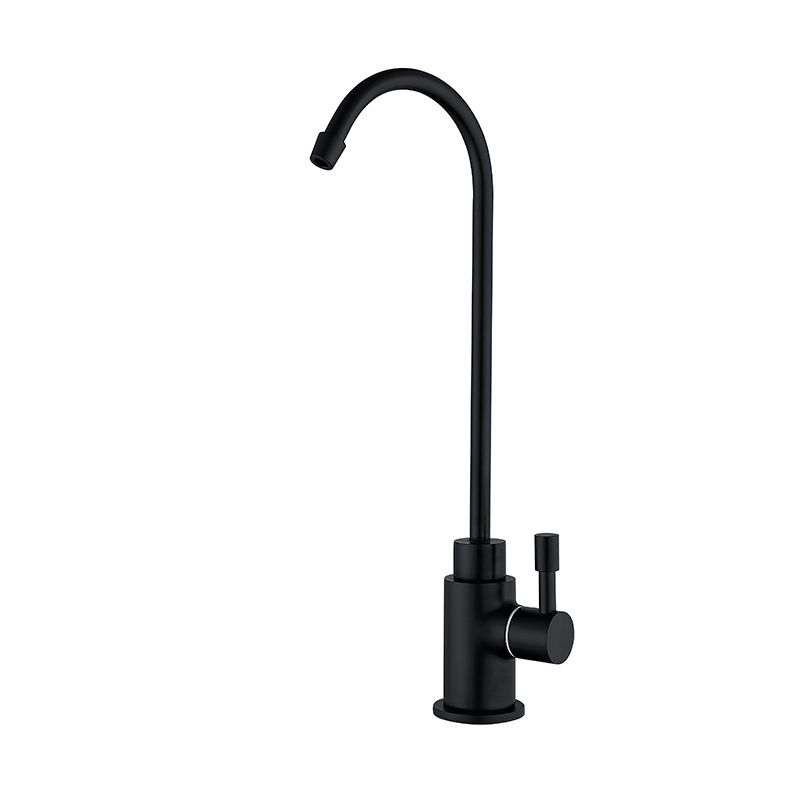
Selecting the correct hardware depends on your kitchen layout. You must evaluate the spatial constraints before making any hardware decisions.
These units work perfectly for retrofits. They also suit kitchens containing existing primary fixtures. You must drill a secondary sink hole for installation. This setup isolates the filtered water completely from municipal washing water. It ensures no cross-contamination occurs during daily heavy-duty use. If you need a dedicated drinking water faucet, standalone models offer excellent flexibility. They remain easy to service without disrupting the main sink operations. You can replace them independently if needed.
Minimalist designs and new builds benefit greatly from integrated solutions. A modern fixed kitchen faucet consolidates hot, cold, and filtered water into one sleek unit. They feature dual internal waterways. This specific architecture saves valuable deck space while maintaining a clean aesthetic. You eliminate the need for secondary holes. Installation looks cleaner and appeals to modern design sensibilities. They require robust valve cartridges to manage different water streams securely.
Hardware must match the filtration system exactly. A specialized reverse osmosis faucet requires specific configurations. RO systems strictly need air-gap designs. This design prevents wastewater backflow effectively. It remains an essential consideration for building code compliance in most municipalities. Non-air-gap models risk severe plumbing failures when used with RO systems. Always check local regulations before finalizing your reverse osmosis hardware.
Faucet Architecture | Best Application Scenario | Key Functional Advantage | Installation Requirement |
|---|---|---|---|
Standalone Models | Retrofits, existing setups | Complete water source isolation | Secondary sink hole needed |
Integrated 3-in-1 | New builds, modern minimalist designs | Saves deck space, clean look | Standard single-hole mount |
Reverse Osmosis (Air-Gap) | High-purity filtration systems | Prevents dirty water backflow | Air-gap drain connection required |
Specifying a reliable kitchen filter faucet requires strict evaluation standards. You cannot rely on visual appeal alone.
You must assess GPM drops carefully. Integrating under-sink filters naturally reduces water flow. The faucet must maintain usable pressure constantly. It should never stress the filtration housing. Poor pressure leads to immediate user frustration. Test flow rates before finalizing specifications across large projects. High-density carbon blocks create significant drag. You need hardware designed to optimize these lower flow environments.
Prioritize solid brass construction for all fixtures. Use stainless steel internals whenever possible. These materials prevent secondary heavy metal leaching into the purified water. Inferior plastics degrade over time under constant pressure. Quality metals ensure longevity and protect public health. You avoid micro-cracks and subsequent flooding risks. Solid brass handles heavy daily usage effortlessly.
Establish a strict baseline requirement for hardware compliance. Hardware must meet NSF/ANSI 42 for aesthetic effects like chlorine reduction. It must also meet NSF/ANSI 53 for vital health effects like lead removal. Verified certifications remove dangerous guesswork. They prove the hardware works exactly as promised. Independent laboratory testing provides ultimate peace of mind.
Design affects daily usability directly. Selecting a tall gooseneck filter faucet ensures adequate clearance. You need vertical space for filling large pots comfortably. Carafes and commercial containers require ample room underneath the spout. A high arc prevents splashing and improves the overall kitchen workflow. Users appreciate intuitive design elements.
Best Practice: Always verify the sink depth alongside the maximum spout height. This guarantees ergonomic harmony for daily tasks.
Common Mistake: Ignoring local municipal water pressure limits. Low municipal pressure combined with dense filters results in unacceptably slow flow rates.
Physical constraints often dictate your final hardware choices. Careful planning prevents installation delays and costly structural modifications.
Map the physical footprint of the filtration unit carefully. Compare single-stage carbon blocks against bulky multi-stage RO systems. Ensure the available under-sink cabinet volume supports the equipment comfortably. Leave enough room for routine maintenance and standard plumbing repairs. Cramped spaces lead to poor maintenance habits. Technicians need clear access to shut-off valves.
Follow ergonomic placement tips for secondary faucets. Position them to avoid interference with the main basin workflow. Keep the secondary spout clear of primary washing zones. Proper routing prevents tangled hoses below the deck. You must ensure the secondary tap swings freely without hitting the primary spout. Logical placement enhances the intuitive use of the kitchen.
Create a standardized protocol for your installation team. Consistency reduces errors significantly across large-scale developments.
Identify required tools for the specific countertop material beforehand.
Confirm standard fitting sizes precisely, such as 1/4-inch versus 3/8-inch tubing.
Minimize potential leak points by using high-quality quick-connect fittings.
Test every connection rigorously under peak municipal pressure before sealing the cabinet.
Secure all loose tubing to the cabinet interior using dedicated mounting clips.
Factor in the actual labor time required for drilling operations. Stone countertops demand specialized diamond-tipped tools and immense patience. Consider utilizing existing soap dispenser cutouts instead whenever possible. This approach reduces labor hours drastically. It also minimizes the risk of cracking expensive granite or quartz surfaces. Discuss these spatial logistics with your plumbing contractors early in the design phase.
Operational efficiency defines the long-term success of your installations. You must look far beyond the initial setup phase to guarantee reliable performance.
Evaluate the operational life of the faucet hardware rigorously. Compare this lifespan against the consumable filter cartridges. Solid brass bodies often outlast multiple generations of filters. You need durable internal valves to withstand heavy daily commercial use. Ceramic disc cartridges prevent annoying drips over the years. High-quality finishes resist tarnishing from harsh cleaning chemicals. Building a reliable infrastructure prevents premature hardware failures.
Project managers face ongoing logistical challenges constantly. You should prioritize proprietary versus universal filter housings carefully. Base this crucial decision on local supply chain reliability. Universal housings often allow easier sourcing from multiple vendors. Proprietary housings might offer faster, tool-free swaps for maintenance staff. Standardizing fixtures across multi-unit projects reduces long-term facilities management overhead. Uniformity allows your team to keep fewer variant parts in inventory. It simplifies training for new maintenance personnel drastically.
Look far beyond the basic glossy marketing claims. Scrutinize the manufacturer's warranty terms thoroughly. Focus heavily on the valve cartridge guarantee for drip prevention. Examine the finish guarantee for long-term corrosion resistance. Robust warranties indicate high manufacturing confidence in the product. Always verify what specific conditions might void the warranty prematurely.
Inspect quick-connect plumbing fittings annually for potential micro-leaks.
Log filter replacement dates clearly on the under-sink housing.
Flush new filters strictly according to manufacturer guidelines to clear carbon dust.
Clean the faucet aerator screen quarterly to maintain optimal water flow rates.
Check the air-gap tubing for clogs if utilizing an RO configuration.
Base final decisions on the intersection of local water quality needs, under-sink spatial constraints, and design continuity. Choosing the right filtration hardware protects user health directly. It also streamlines daily maintenance operations for your facilities team. You must prioritize certified materials and ergonomic designs. This ensures the hardware performs reliably under demanding conditions.
Audit the plumbing schematics of your project kitchens thoroughly. Verify sink deck configurations for available mounting holes before purchasing. Request detailed specification sheets from manufacturers early in the process. Confirm flow-rate compatibility and pressure tolerances strictly before ordering units at scale. Proper preparation eliminates unexpected installation roadblocks entirely.
A: No. RO systems typically require an air-gap faucet to handle wastewater discharge safely and meet plumbing codes. Using a standard non-air-gap faucet can risk system damage and cross-contamination.
A: They utilize distinct, isolated internal waterways (a "tube within a tube" design) to ensure municipal tap water never mixes with the purified drinking water.
A: While it varies by brand, a spout height of 9 to 12 inches is generally required to comfortably fit tall glasses and pitchers underneath, requiring careful measurement if installed under low-hanging cabinetry.
A: The main hurdle is countertop drilling. If a spare sink hole (often used for sprayers or soap dispensers) is available, retrofitting a standalone drinking water faucet is a straightforward plumbing task.