Views: 0 Author: Site Editor Publish Time: 2026-03-10 Origin: Site


A bathtub faucet leak is one of the most common plumbing issues homeowners face. It can be a source of constant frustration, not only due to the annoying dripping sound but also because of the water waste and potential increase in your utility bills. Fortunately, most bathtub faucet leak fixes are manageable, and with the right guidance, you can address this problem effectively. In this article, we’ll provide you with a step-by-step guide on how to repair a bathtub faucet leak, share useful troubleshooting tips, and explain how high-quality faucets like those from Koala can prevent these leaks in the future.
The first step in repairing a bathtub faucet leak is determining where the water is coming from. Identifying the type of leak and the part of the faucet that is damaged can help you fix the problem quickly and accurately. Here are the common sources of bathtub faucet leaks:
A constant drip from the faucet is typically caused by a worn-out or damaged valve cartridge. The valve cartridge is responsible for regulating water flow and temperature, so when it fails, it can lead to persistent dripping even when the faucet is turned off.
On the other hand, an intermittent leak—one that only happens during specific situations—could indicate a problem with the seals, o-rings, or washers inside the faucet. For example, a leaky faucet that only drips after being turned off or when water pressure fluctuates could have damaged seals or washers, which are common culprits in this type of leak.
The most common points of failure in a bathtub faucet include the cartridge, valve seat, o-rings, and washers. Let’s break down these components:
Cartridge: A worn or damaged cartridge can cause a continuous drip or erratic water flow. The cartridge is the main component that controls the mixing of hot and cold water.
Valve Seat: The valve seat connects the faucet handle to the spout. If the valve seat becomes corroded, water can leak out even when the faucet is turned off.
O-rings and Washers: These rubber seals prevent water from leaking at the connection points. Over time, they can degrade, leading to leaks around the handles or spout.
To accurately identify the source of the leak, you’ll need to inspect the faucet components. Start by turning off the water supply and removing the faucet handle(s). From there, you can examine the cartridge, valve seat, and other seals for visible damage. If the faucet has an internal diverter, check it as well, as it can also be a point of leakage.
Before you begin working on your bathtub faucet leak, it’s essential to have the right tools and take the necessary safety precautions. Below is a list of tools you will need for the job, along with safety tips to ensure you carry out the repair safely and efficiently.
Here’s a list of the basic tools you’ll need to repair a bathtub faucet leak:
Adjustable wrench
Flathead screwdriver
Phillips screwdriver
Replacement cartridge or seals
Pipe wrench
Teflon tape
Plumber’s grease
Towels or rags to catch water
Turn Off Water Supply: Before doing any work on your bathtub faucet, make sure to turn off the water supply. This will prevent water from flowing while you’re working and ensure that you don’t get wet during the repair.
Use Towels: Keep towels or a small bucket nearby to absorb any water that might spill when you open the faucet. Even when the water supply is off, there can still be residual water in the pipes.
Wear Gloves: It’s always a good idea to wear gloves, especially when handling plumbing components or tools. This will protect your hands and give you a better grip while working.
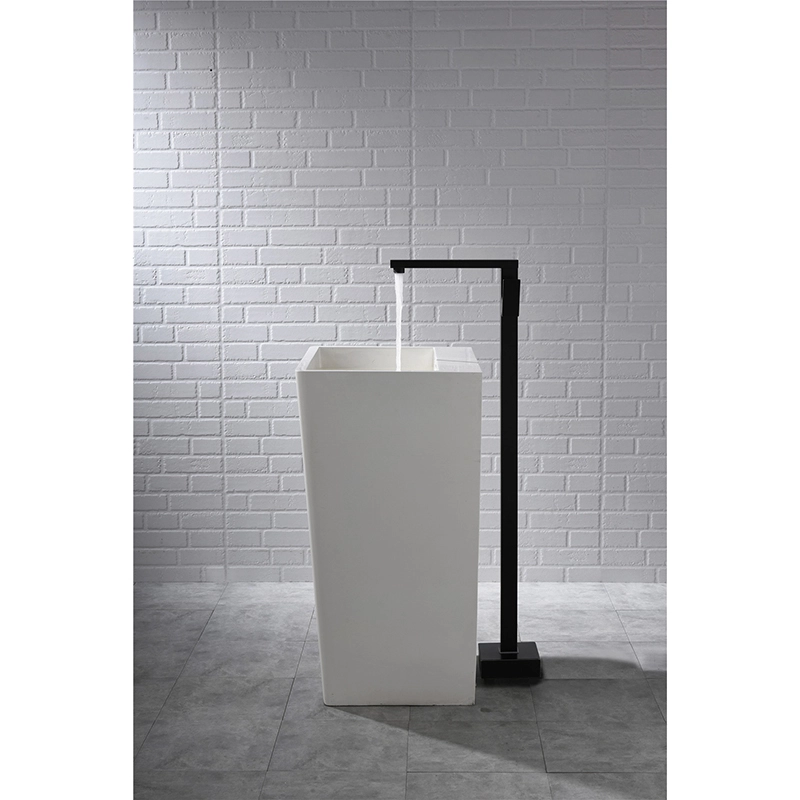
Once you have the right tools and safety measures in place, it’s time to get started on fixing your bathtub faucet leak. Below is a detailed guide on how to repair a leaky bathtub faucet.
The first and most important step in any faucet repair is to turn off the water supply. This can usually be done by turning the shut-off valves located beneath the sink or tub. If you can’t locate these valves, you may need to turn off the main water supply to your house.
Once the water supply is off, remove the handles and other parts of the faucet. Depending on the model, you may need a screwdriver to remove the handle screws. After that, use a wrench to remove the faucet cover or the escutcheon. At this point, you should be able to see the valve and the cartridge.
Once you’ve accessed the valve, inspect the cartridge and seals for signs of damage. If the cartridge is cracked, worn out, or no longer sealing properly, it’s time to replace it. To do so, remove the old cartridge and install the new one. Make sure the replacement parts are compatible with your faucet model.
Next, check the o-rings and washers. If these parts are cracked, brittle, or missing, replace them to prevent leaks. Apply a small amount of plumber’s grease to the new seals before installing them to ensure a proper fit.
After replacing the damaged components, carefully reassemble the faucet in reverse order. Tighten all screws and parts securely, but avoid overtightening, as this can cause damage to the faucet. Once everything is back in place, turn the water supply back on and test the faucet. If the leak is gone and water flows smoothly, your repair is complete.
Sometimes, despite your best efforts, the bathtub faucet leak fix doesn’t work. Here’s what you should do if your faucet continues to leak after you’ve replaced the cartridge, seals, and washers:
If the leak persists after repairing the faucet, it might be a sign that the faucet has reached the end of its lifespan. Here are a few signs that your bathtub faucet needs to be replaced:
Persistent leaks: If you’ve replaced all the seals and cartridges and the faucet continues to leak, it could be a sign of internal damage that cannot be fixed.
Corrosion: Over time, the faucet body and internal components can corrode, leading to irreversible damage.
Worn-out finishes: If the faucet’s finish has deteriorated or the faucet looks outdated, it may be time for a replacement.
Even with regular maintenance, faucets can develop persistent leaks due to various factors. Poor installation, substandard materials, and constant wear and tear from regular use can cause components to fail prematurely. That’s why choosing a high-quality bathtub faucet like Koala’s is essential for long-lasting performance and minimal maintenance.
Problem | Cause | Quick Fix | When to Replace |
Dripping Tap | Worn Cartridge | Replace Cartridge | If repeated |
Leak from Spout | Faulty O-ring | O-Ring Replacement | Severe corrosion |
Handle Leak | Loose Seat | Tighten / Replace | Seat damage |
A bathtub faucet leak is more likely to occur in low-quality faucets due to poor manufacturing and materials. Koala’s bathtub faucets are made with premium materials and are precision-engineered to minimize leaks and improve overall durability. Here’s why Koala faucets leak less:
Better Materials: Koala uses high-quality metals and seals that are resistant to wear, corrosion, and damage. This ensures that your faucet remains leak-free for years.
Precision Engineering: Each faucet is carefully designed with attention to detail, ensuring that every part fits perfectly and operates smoothly.
Durability and Ease of Maintenance: With Koala’s bathtub faucets, you don’t need to worry about frequent repairs. These faucets are built to last, and with regular maintenance, they’ll continue to perform reliably for a long time.
Koala’s commitment to quality craftsmanship means that our bathtub faucets provide long-lasting performance and minimize the risk of leaks. By choosing a Koala faucet, you’re investing in a durable, reliable fixture that will enhance your bathroom for years to come.
In conclusion, repairing a bathtub faucet leak is a manageable task that can save you time, money, and water. By following the step-by-step guide in this article, you can troubleshoot and fix most common leaks yourself. However, if the leak persists despite your best efforts, it may be time to replace the faucet. Koala’s bathtub faucets are designed to provide superior performance, durability, and comfort, making them the perfect choice for your bathroom. To learn more about our bathtub faucets and see how they can enhance your bathing experience. Contact us today for more information or to inquire about our products.
What is the most common cause of a bathtub faucet leak?
The most common cause is a worn-out cartridge, which controls water flow and temperature.
Can I replace the cartridge in my bathtub faucet myself?
Yes, replacing the cartridge is a relatively easy task that you can do with basic plumbing tools.
How can I prevent a bathtub faucet from leaking in the future?
Regular maintenance, such as replacing worn-out seals and cartridges, will help prevent leaks.
Why is Koala’s bathtub faucet less likely to leak?
Koala uses high-quality materials and precision engineering to ensure leak-free performance and long-lasting durability.