Views: 0 Author: Site Editor Publish Time: 2026-08-17 Origin: Site


Contractors face a growing tension on every modern build. Clients increasingly demand seamless, minimalist designs where utility fixtures disappear completely into the surrounding architecture. Yet, you carry the heavy liability for waterproofing failures, poor drainage, and persistent sewer odors long after the job ends. We know the stakes are high. A single callback for a leaking shower or a foul-smelling drain destroys project profitability and damages your reputation. This guide provides a rigorous technical framework for selecting, installing, and sourcing a reliable drain system. It eliminates guesswork and protects your margins. You will learn exact slope tolerances, crucial material specifications, and foolproof waterproofing integration techniques. We also examine trap mechanisms designed to prevent gas leaks and clogs. By mastering these variables, you can confidently deliver the high-end aesthetics clients want while securing the bulletproof functionality you require.
Tile insert drains require stricter slope tolerances and advanced waterproofing membrane integration compared to traditional point drains.
Material selection (specifically 304/316 marine-grade stainless steel) is the definitive factor in preventing long-term corrosion and client complaints.
Selecting an anti odor floor drain with an easily accessible, removable trap is critical for post-installation maintenance.
Partnering with a compliant, quality-focused bathroom accessories supplier ensures project timelines and local plumbing code requirements are met.
The core appeal of a modern shower relies heavily on an unbroken visual plane. Clients love the "invisible" aesthetic. However, this design inherently alters the surface area available for water intake. Instead of a wide, open grate, water must escape through a narrow perimeter gap surrounding the tiled tray. You must evaluate how this restricted intake aligns with actual water volume.
Architects and homeowners often specify visually stunning layouts without considering the physics of water flow. When you install a standard bathroom floor drain, the open grate immediately swallows water. A minimalist insert restricts that immediate capacity. The narrow channel must compensate by quickly directing water toward the central outlet pipe. If the perimeter gap becomes partially blocked by excess thinset or minor debris, the drainage rate drops exponentially.
Modern residential and commercial showers rarely feature a single, low-flow showerhead. Multi-head systems, rain showers, and body sprays generate massive water volumes. A standard single head might output 2.5 gallons per minute (GPM). However, luxury shower arrays easily push 8 to 12 GPM. You must ensure the chosen drain channel and outlet pipe diameter can handle this cumulative volume. Standard 2-inch PVC or ABS waste lines typically handle around 10 to 12 GPM, provided the drain cover itself does not bottleneck the intake.
Failing to match flow rates results in surface pooling. Standard grate models are forgiving. They funnel water efficiently even if the surrounding slope is slightly imperfect. Flat insert models demand flawless execution. You must precisely calculate water volume and match it to the manufacturer’s specified flow rate. A miscalculation leads to stagnant water flooding the bathroom floor, posing immediate slip hazards and long-term water damage risks.
Material specification separates a permanent installation from a future demolition job. You cannot compromise on the structural and chemical integrity of the materials embedded beneath the tile.
Showers expose fixtures to a brutal cocktail of harsh chemical cleaners, hard water deposits, and constant moisture. You must specify a marine-grade stainless steel floor drain. Grade 304 stainless steel offers excellent baseline protection for standard residential projects. For environments with higher salinity or intense chemical exposure, Grade 316 is non-negotiable. Cheaper alloys, cast zinc, or basic plastics degrade rapidly under these conditions. Once the metal pits or rusts, it creates a rough surface that traps bacteria and accelerates further corrosion.
The drain body must support the weight of the mortar bed, thinset, tile, and the end-user. Thin, unbranded metal trays warp easily under these dynamic loads. When the tray bends, the rigid tile and grout above it experience extreme stress.
Micro-fractures: Warping causes tiny cracks in the surrounding grout lines.
Water Ingress: Moisture penetrates the micro-fractures, reaching the subfloor.
System Failure: The continuous cycle of pressure and moisture eventually destroys the waterproofing membrane.
Heavy-gauge stainless steel maintains absolute rigidity. It preserves the integrity of the grout joints and prevents the catastrophic failure loop described above.
Clients frequently request dark or metallic accents, such as matte black or brushed gold. Standard powder-coated finishes chip and peel during the installation process. Trowels, harsh grouts, and abrasive cleaning pads easily destroy cheap coatings. You should strictly specify Physical Vapor Deposition (PVD) finishes. PVD bonds the color at a molecular level. It resists scratching, fading, and chemical tarnishing, ensuring the drain looks immaculate years after handover.
Material / Finish Type | Corrosion Resistance | Structural Rigidity | Recommended Use Case |
|---|---|---|---|
Grade 316 Stainless Steel | Exceptional (Marine Grade) | High (Resists warping) | Commercial, Coastal, Heavy Chemical Use |
Grade 304 Stainless Steel | High | High | Standard Residential Bathrooms |
PVD Coated Metal | High (Molecular bond) | Depends on base metal | Custom aesthetic finishes (Matte Black, Gold) |
Cheap Alloys / Plastics | Poor to Moderate | Low (Prone to bending) | Not recommended for tile-in applications |
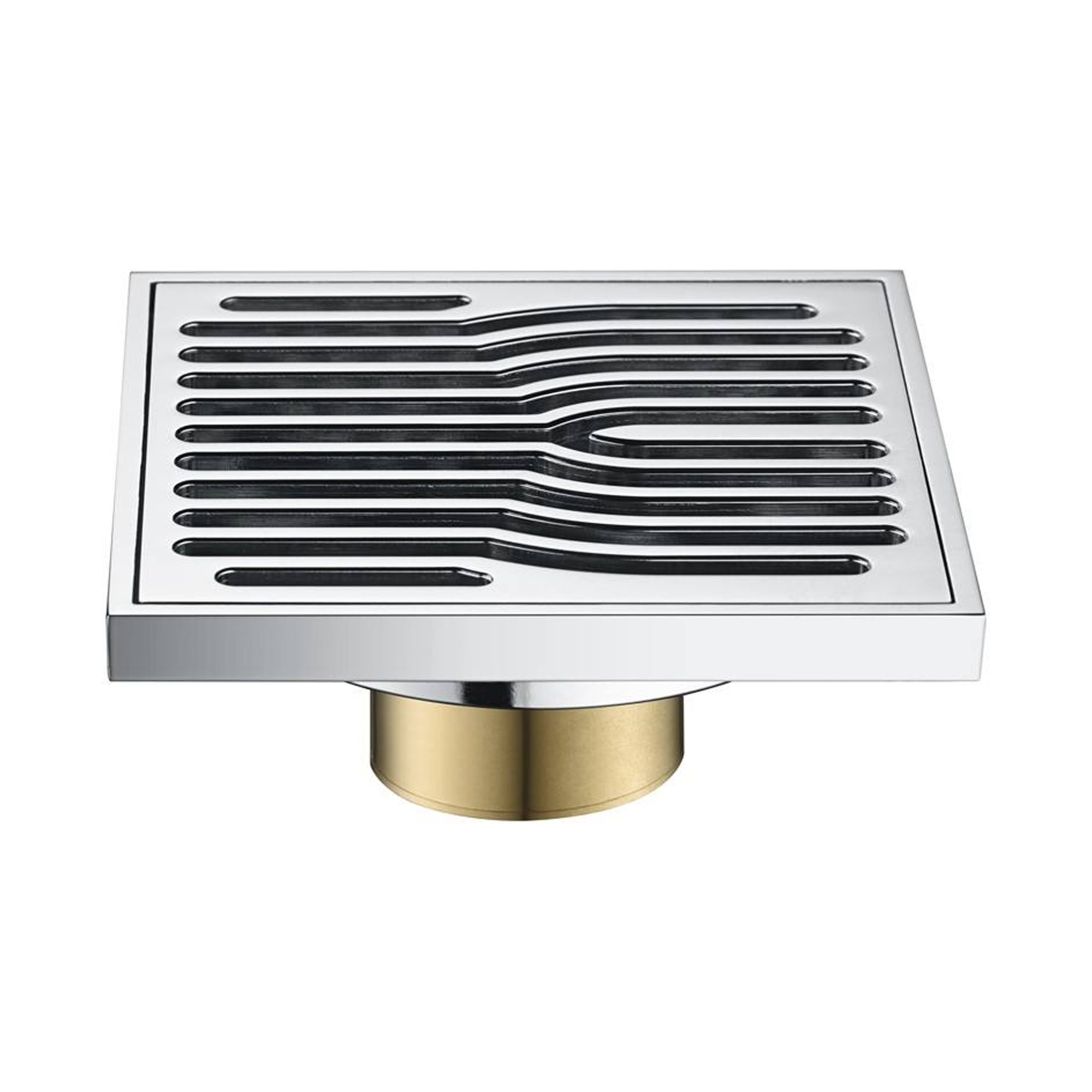
Contractors lose time and money when clients complain about lingering smells or slow drainage. These issues usually stem from the hidden mechanical core, not the visible tile tray.
Sewer gas leakage and organic clogs are the primary drivers of post-installation disputes. When a drain fails to block noxious gases from the municipal sewer line, the entire bathroom becomes unusable. Similarly, when hair and soap scum bypass the primary strainer, they solidify deep within the plumbing trap. The client immediately blames the installer for a "faulty drain system," ignoring their own maintenance habits.
You must select a high-performance anti odor floor drain engineered to handle varying usage scenarios. Traditional water seals work well in high-traffic master bathrooms. The constant flow of water keeps the U-trap full, creating a liquid barrier against sewer gas. However, water seals fail miserably in guest bathrooms or holiday homes. The stagnant water evaporates, leaving the pipe completely open to noxious fumes.
Modern solutions utilize dry-trap technology. Gravity-sealed cores feature a weighted flap that opens under water pressure and snaps shut when dry. Magnetic dampers operate on a similar principle, utilizing opposing magnets to keep the seal tightly closed when not in use. These mechanisms guarantee a permanent seal regardless of usage frequency.
Even the best trap mechanism requires occasional cleaning. If the client cannot access the internal components, the contractor absorbs the blame. A proper system must include a dedicated lifting key. This tool allows the homeowner to safely lift the heavy tiled tray without chipping the surrounding edges. Beneath the tray, a removable hair strainer must catch debris before it reaches the anti-odor core. Simple, tool-free access empowers the end-user to perform routine maintenance, eliminating unnecessary service calls.
Executing a flawless installation requires mastering the transition between the subfloor, the waterproofing membrane, and the drain flange. Precision in these steps dictates the lifespan of the entire shower enclosure.
You cannot eyeball the pitch. A shower floor drain designed to hold a tile insert requires an uncompromising slope. Industry standards dictate a minimum pitch of 1/4 inch per foot directed toward the channel. Because the top grate sits entirely flat, the mortar bed underneath must be perfectly planed. Any slight dip or inconsistency in the mud bed causes water to bypass the perimeter gap and pool along the edges. You must screed the mortar meticulously to ensure gravity does all the heavy lifting.
Waterproofing failure usually occurs at the seam where the drain meets the floor. You have two primary integration methods, and each requires a specific workflow.
Liquid-Applied Membranes: Products like RedGard require a drain base with an integrated clamping ring. You must apply multiple coats of the liquid membrane, ensuring it overlaps the flange seamlessly. Embed a reinforcing fabric at the transition point to prevent cracking.
Sheet Membranes: Systems like Schluter-Kerdi utilize a bonding flange. You apply unmodified thinset to the flange, embed the sheet membrane directly into the mortar, and press it flat. This creates a continuous, watertight seal.
Always clear the weeping holes in the drain base before proceeding. If thinset blocks these small channels, moisture trapped beneath the tile cannot escape, leading to mold growth and efflorescence.
Miscalculating vertical clearance is a notorious contractor error. When setting a tile insert floor drain, you must account for the exact thickness of the dry mortar bed, the compressed thinset layer, and the specific tile chosen by the client. If you set the rough-in plumbing too high, the final tray will sit above the surrounding floor, creating an uncomfortable tripping hazard. If you set it too low, water will forcefully hit the lip of the surrounding tile, eroding the grout line. Always dry-fit the components using a scrap piece of the actual project tile to confirm flush alignment before committing to mortar.
Procurement is just as critical as installation. Sourcing materials from unverified vendors introduces massive delays and legal liabilities to your project pipeline.
You must verify that every product meets strict municipal plumbing codes. Look for clear documentation proving adherence to standards like ASME/ANSI A112.18.2 or international equivalents like WaterMark. Installing non-compliant fixtures leads to failed building inspections. An inspector will force you to rip out the entire shower floor if the underlying drain lacks proper certification markings. Never risk a project's approval on uncertified hardware.
Large-scale developments demand predictable logistics. If you are managing a 50-unit commercial build, you need absolute assurance that materials will arrive on schedule. A reputable bathroom accessories supplier maintains deep inventory reserves and provides transparent tracking. Inconsistent lead times paralyze your tiling crews and throw entire project schedules off balance. Evaluate vendors based on their ability to fulfill bulk orders without sudden backorder notifications.
Commercial projects require robust vendor backing. Your supplier should offer more than just a shipping invoice. Prioritize manufacturers willing to supply detailed CAD drawings and comprehensive installation manuals. These technical documents allow your plumbing and tiling teams to preemptively solve structural clashes. Furthermore, insist on robust commercial warranties. A vendor confident in their metallurgy and coating processes will readily offer multi-year guarantees against corrosion and mechanical failure.
A successful, zero-callback installation relies heavily on balancing aesthetics with rigorous technical execution. You must prioritize premium 304 or 316 stainless steel to defend against severe corrosion and structural warping. Precision slope execution and flawless membrane integration form the ultimate defense against subfloor water damage. Furthermore, implementing reliable dry-trap technology guarantees clients remain protected from sewer gas and clogs.
To protect your next build, audit your upcoming architectural specifications immediately. Check the designated flow rates against your planned showerhead configurations. Review your subfloor clearance measurements to ensure a flush finish. Finally, reach out to a certified, technically capable supplier to request bulk quotes or physical samples before finalizing your procurement list.
A: Not if they are engineered and sized correctly. The perimeter drainage gap is specifically calculated to match or exceed the flow rate of the underlying outlet pipe. However, installers must keep this narrow gap completely free of excess thinset and grout during installation to maintain optimal water intake.
A: Standard models typically require a rough-in depth between 2.5 to 4 inches, depending on the trap mechanism and outlet size. You must evaluate the subfloor structure—whether it is a thick concrete slab or shallow wood joists—before specifying a product to ensure adequate clearance without compromising structural integrity.
A: You use the provided lifting hook to safely pull the tiled tray out of the channel. Once removed, simply lift out the internal hair strainer, clear away any accumulated debris, and flush the anti-odor core mechanism with warm water. Replace the components and set the tray back into place.
A: Most porcelain, ceramic, and natural stone tiles work well. However, the exact thickness of the tile must align perfectly with the internal depth of the metal insert tray. Using extremely thick natural stone might require you to source custom-depth trays to ensure the finished surface sits flush with the metal edges.