Views: 0 Author: Site Editor Publish Time: 2026-08-28 Origin: Site


A well-specified bathroom upgrade relies heavily on reliable water delivery. Designers and homeowners often select plumbing fixtures based entirely on aesthetics. This approach frequently causes a noticeable gap between visual appeal and daily operational reality. You might install a stunning fixture, only to experience mismatched water pressure, poor cartridge longevity, or severe retrofitting complications down the line.
Such problems emerge when plumbing infrastructure fails to support advanced water delivery mechanisms. A beautiful design cannot compensate for a weak trickle of water or a sudden temperature drop. We must bridge the gap between design desires and mechanical realities. Careful planning prevents costly mid-project modifications and ensures consistent daily comfort.
This guide provides a definitive, technical framework for your next bathroom project. You will learn how to evaluate core functions and select durable material finishes. We also detail how to verify crucial site compatibility requirements before you procure any fixtures.
Function dictates infrastructure: Advanced features require specific baseline water pressure (bar/PSI) and flow rates (GPM) to operate simultaneously without pressure drops.
Material longevity over initial cost: Core components made from solid brass significantly outperform mixed-metal or plastic alternatives in high-use environments.
Installation foresight mitigates risk: Pre-purchase checks on plumbing rough-ins, valve types, and wall load-bearing capacity prevent costly structural modifications.
Supplier vetting is crucial: Choosing an established shower system supplier ensures compliance certifications, warranty validity, and long-term spare part availability.
Water delivery methods must directly solve specific user needs. Evaluating these features requires understanding the underlying plumbing demands they create. You cannot simply attach high-output fixtures to low-output plumbing. Every extra body spray or oversized showerhead consumes more hydraulic bandwidth. We must map functional desires to actual mechanical capabilities.
A true overhead rainfall experience requires precise spatial planning. You must calculate the required ceiling height carefully. Standard installations position the overhead showerhead roughly 80 to 84 inches from the bathroom floor. You also need adequate arm extension lengths. Short arms position the water stream too close to the wall, compromising your movement. An extended arm ensures optimal water coverage directly overhead.
Maintenance is another critical factor for a rainfall shower column. Wide showerheads feature dozens of individual nozzles. Hard water environments quickly clog standard plastic nozzles. You should always look for anti-limescale silicone nozzles. They allow users to simply rub away calcium buildup using a fingertip, significantly reducing routine cleaning time.
The valve acts as the absolute brain of your entire water delivery system. Selecting the right control mechanism determines daily safety and comfort.
Thermostatic valves offer precise temperature retention. They use an internal wax element reacting instantly to temperature shifts. If a toilet flushes elsewhere in the building, the valve immediately adjusts the hot and cold mixture. This anti-scald mechanism provides incredible safety benefits. Multi-outlet systems rely heavily on thermostatic control to maintain stability across different spray zones.
Pressure-balancing valves represent a simpler alternative. They use an internal sliding spool reacting to pressure changes rather than direct temperature. When cold water pressure drops, the spool shifts to restrict hot water flow. They work exceptionally well for single-function setups. The cost-to-benefit ratio favors pressure-balancing valves for straightforward, basic bathroom renovations.
Valve Type | Primary Mechanism | Best Application Scenario | Key Safety Benefit |
|---|---|---|---|
Thermostatic | Temperature-sensitive wax element | Multi-jet systems, luxury renovations | Exact temperature locking & anti-scald |
Pressure-Balancing | Pressure-sensitive sliding spool | Single-function or guest bathrooms | Prevents sudden thermal shocks |
Advanced setups often integrate overhead rain heads, directional body jets, and flexible hand wands. Switching between these outlets requires robust diverter valve mechanics. A diverter directs water flow from the main valve to your selected accessory. Poorly designed diverters frequently suffer mechanical failure over time. Look for smooth, rotary-style diverters featuring ceramic discs rather than push-button spring mechanisms. Rotary diverters handle frequent switching effortlessly and resist internal jamming.
Internal materials dictate the operational lifespan of your fixtures. Externally, surface treatments determine how well the unit resists daily wear. We must prioritize lifecycle durability over mere aesthetic trends.
The internal cartridge controls water flow and prevents leaks. Cartridge materials vary drastically across different product tiers. Ceramic disc cartridges represent the industry gold standard. Two extremely hard, polished ceramic plates slide against one another to regulate water. They resist scoring from minor waterborne debris and rarely leak. Plastic cartridges degrade much faster. Constant friction wears down plastic components, leading to inevitable dripping and complete part failure.
Solid brass cores significantly outperform cheaper alternatives like zinc-alloy or ABS plastics. A premium brass shower set offers unparalleled corrosion resistance. Standard brass alloys undergo a process called dezincification when exposed to aggressive water chemistries over time. High-quality solid brass resists this structural degradation. It maintains its structural integrity across decades of daily use.
However, you must evaluate the weight implications. Solid brass units are heavy. Wall mounting requires structural foresight. You cannot safely anchor a heavy brass unit into standard drywall. The installation demands reinforced timber backing boards behind the wall surface to sustain the load safely.
The external finish protects the core metal and defines the bathroom design. Different manufacturing processes yield entirely different resilience levels.
Physical Vapor Deposition (PVD): This cutting-edge process vaporizes metal inside a vacuum chamber. The vapor bonds molecularly to the brass surface. PVD coatings offer extreme scratch resistance and never tarnish.
Electroplating: The traditional method uses electrical currents to deposit chrome or nickel layers. While offering a brilliant shine, electroplating remains more susceptible to aggressive chemical cleaners.
Brushed Finishes: A mechanically brushed surface hides fingerprints and water spots beautifully. However, you must verify the brushed texture features a protective clear coat to prevent oxidation.
You should always assess finishes based on daily maintenance realities. Resilience against harsh bathroom cleaning agents matters just as much as visual appeal.
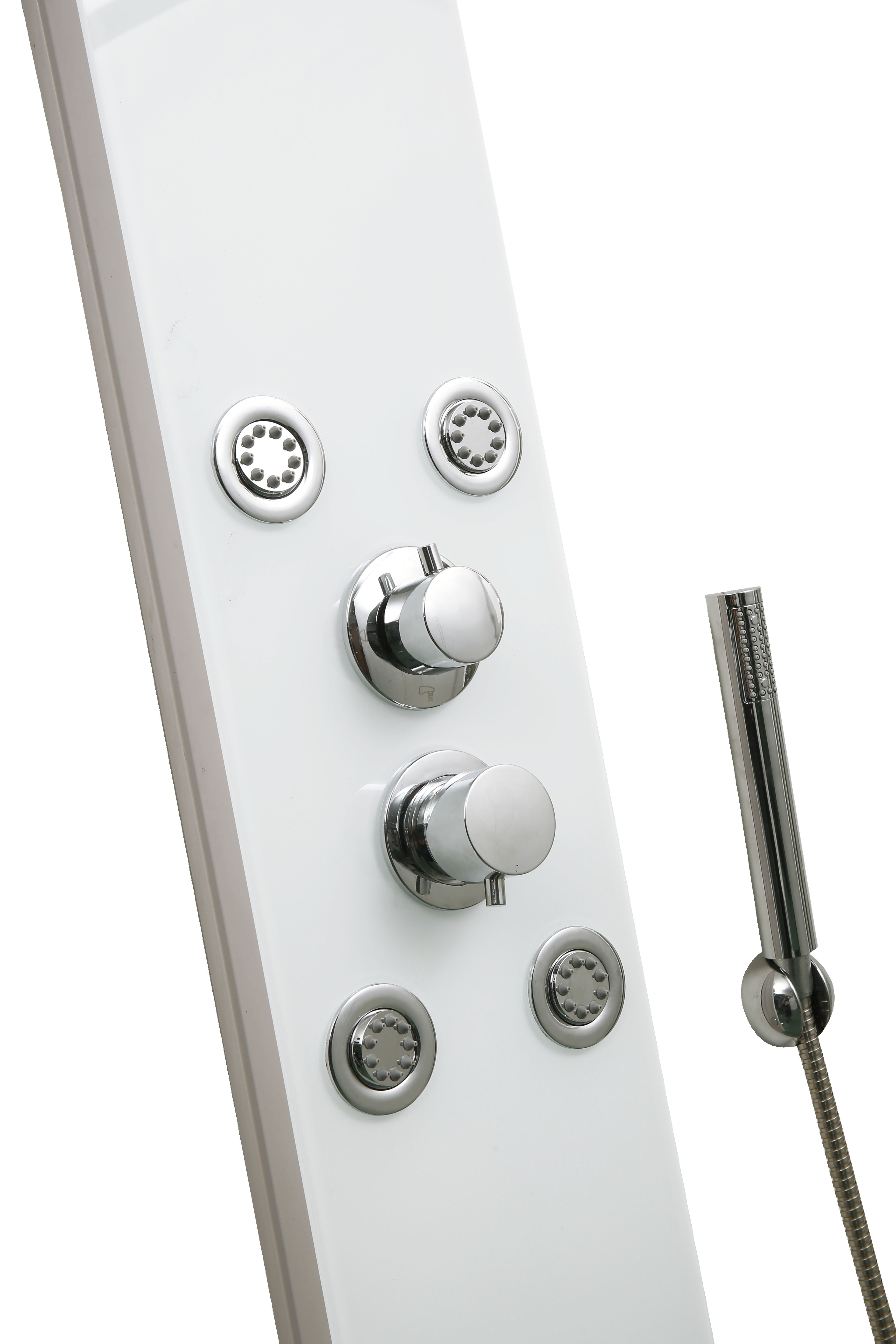
Deciding between external and built-in systems dramatically impacts your installation timeline. Each architectural approach brings distinct advantages and challenges to the project.
A wall mounted shower set keeps all primary plumbing components exposed on the tile surface. This architecture shines during rapid retrofitting projects. You can utilize existing pipework directly. Installers connect the new unit without tearing into drywall or destroying expensive tiles. It serves as the perfect solution for surface-level renovations.
However, exposed systems do create a larger spatial footprint inside the enclosure. You must also account for external cleaning requirements. The exposed metal pipes gather soap scum and require regular wiping down. Yet, many homeowners prefer the industrial aesthetic a robust bathroom shower column provides.
Concealed systems hide all valves and piping behind the wall. Only the control handles and showerheads remain visible. They deliver a flawless, minimalist aesthetic. Cleaning becomes incredibly easy since you only wipe down flat trim plates.
This minimalist look comes at the cost of high initial installation complexity. The wall must be opened completely. Plumbers must route intricate pipework and secure the heavy brass valves directly to the framing. Furthermore, you must insist on universal rough-in boxes (often called i-boxes). An i-box houses the valve body behind the wall. It future-proofs the installation. If the cartridge fails years later, plumbers can swap the internal components through the front panel without breaking any tiles.
Successful installations demand rigorous site verification before making a purchase. Skipping these technical baselines guarantees operational failure. Evaluating your existing infrastructure ensures your chosen shower column performs exactly as intended.
You must establish your minimum dynamic water pressure. Dynamic pressure refers to the force measured while water actively flows. Multi-function units typically demand between 2.0 and 3.0 bar of dynamic pressure. Lower pressure results in weak sprays and failed diverter operation.
Next, calculate your total Gallons Per Minute (GPM) requirements. An overhead shower might draw 2.5 GPM, while body jets pull an additional 2.0 GPM. If you run both simultaneously, your system needs 4.5 GPM. You must verify your existing hot water heater or boiler capacity can sustain this prolonged demand. A high-output system drains small hot water tanks in minutes.
Ergonomics dictate comfort. You must plan standard mounting heights relative to the tallest user. We generally recommend placing overhead fixtures 80 to 84 inches from the floor. This provides comfortable overhead clearance without excessive water splashing.
For retrofitting exposed units, check the distance between your existing hot and cold water feeds. Standard international plumbing uses 150mm centers. Minor deviations require eccentric S-unions. These small offset connectors allow plumbers to correct slight misalignments, ensuring the new unit sits perfectly level.
Heavy brass fixtures place significant torque on wall surfaces. You must verify load-bearing capacities early in the project. Plywood blocking installed between wall studs provides the necessary anchoring strength.
Waterproofing remains absolutely critical. Water invariably seeks the easiest path behind walls. You must implement strict adherence to waterproofing protocols.
Apply liquid waterproofing membranes or sheet membranes over the cement board.
Ensure all drill points receive heavy silicone sealing before inserting wall anchors.
Apply a continuous bead of silicone behind all valve escutcheons (trim plates).
Leave a small weep hole at the bottom of the trim plate to allow trapped moisture to escape.
Procuring hardware requires more than picking a beautiful design. The manufacturer backing the product matters immensely. You must evaluate suppliers meticulously to protect your investment.
Never purchase uncertified plumbing fixtures. You must verify regional regulatory adherence to ensure legal and environmental compliance. Look for specific industry marks. In the UK, WRAS certification proves the materials will not contaminate the water supply. In North America, cUPC certification guarantees mechanical safety and code compliance. WaterSense labels indicate the unit meets strict environmental water-saving metrics.
Marketing departments love advertising a "lifetime warranty". You need to look beyond the bold print. Evaluate the explicit terms carefully. Most lifetime warranties only cover the brass casting itself. They often exclude cartridge wear-and-tear entirely. Finish degradation might only carry a one-year guarantee. A reputable shower system supplier provides completely transparent warranty terms detailing exact coverage limits for O-rings, diverters, and surface coatings.
A beautifully machined brass valve becomes useless if you cannot replace a $10 internal cartridge five years later. Assess the supplier’s track record for maintaining inventory. Well-established brands maintain proprietary cartridges, diverters, and specific O-rings for 5 to 10 years post-purchase. You should ask the supplier directly about their spare parts availability policy before committing to a proprietary built-in valve system.
A successful bathroom upgrade balances architectural aesthetics with rigorous mechanical compatibility. Your chosen fixtures must align perfectly with your home's hydraulic capabilities. By mapping features to outcomes, prioritizing solid brass construction, and respecting structural realities, you eliminate the risks of poor performance.
Your next steps are clear. Measure your static and dynamic water pressure using a basic gauge. Verify your home boiler capacity against the total GPM demand of your desired setup. Finally, request detailed specification sheets from your shortlisted suppliers to confirm dimension compatibility before finalizing any purchase.
A: It is not recommended without auxiliary equipment. Low pressure results in a weak "dribble" rather than a true rainfall effect. A booster pump installation is usually required to elevate the dynamic pressure to the necessary 2.0 to 3.0 bar range.
A: Generally, no. Exposed wall-mounted sets are designed to connect directly to existing hot and cold water outlets. This characteristic makes them ideal for surface-level renovations without breaking tiles or tearing into drywall.
A: Thermostatic cartridges instantly adjust the hot and cold water mix to maintain a pre-set temperature. They use an internal wax element responding to flow changes. This protects users from sudden scalding if water pressure drops elsewhere in the building.
A: You must verify the center-to-center distance of your existing water inlets. The standard measurement is exactly 150mm. You must also ensure your current hot water heater can sustain the required Gallons Per Minute (GPM) demand of the new system.